Sonos Play: A Practical Guide to the Portable Speaker for Home and Garden
A practical guide to the Sonos Play: how this hybrid Wi-Fi and Bluetooth portable speaker works, when it makes sense to integrate it into your home multiroom system, and how to get the most out of it outdoors.
Sonos Play: A Practical Guide to the Portable Speaker for Home and Garden
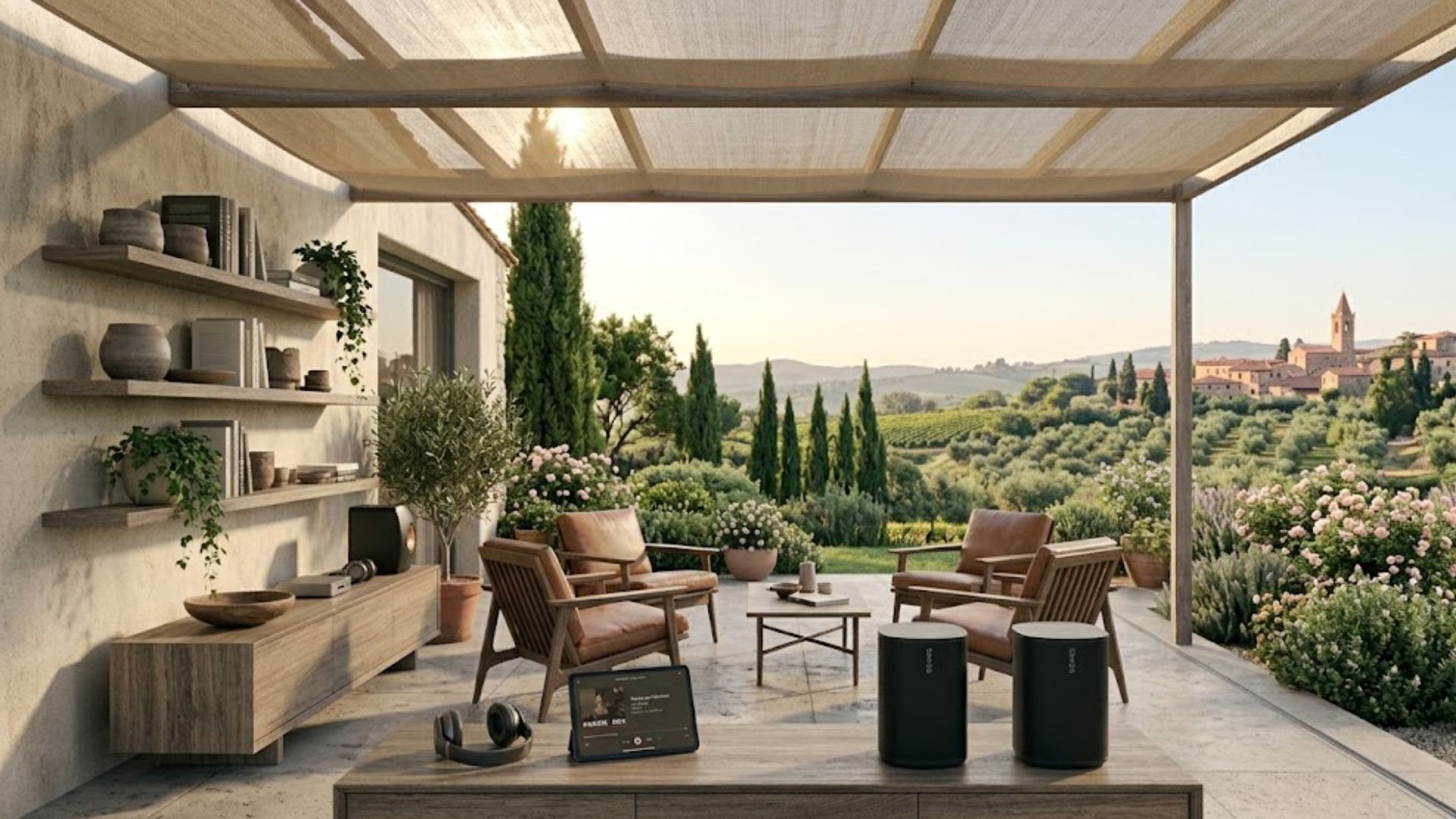
When designing a home audio setup, most people picture speakers permanently stationary on shelves, desks, or dedicated Hi-Fi stands. However, real-world listening habits are often far more dynamic: you might start listening to a podcast in the kitchen while preparing dinner, want to bring your music into the bathroom during a shower, and head out to the garden, patio, or a weekend park trip with your favourite playlist.
This is precisely where the Sonos Play (available on Amazon) shines: a portable speaker engineered to serve as a seamless bridge between your home Wi-Fi network and on-the-go listening. In this guide, we break down how it works, its core strengths, and when it makes sense to add one to your audio setup.
At Home on Wi-Fi, Outdoors on Bluetooth: How the Hybrid System Works
The defining feature of the Sonos Play is its dual connectivity. It is neither a basic portable Bluetooth speaker nor a tethered home speaker bound to a wall socket, but rather a versatile hybrid device capable of adapting to its environment:
- At Home (Wi-Fi Mode): Within reach of your home network, the speaker operates as a full member of the Sonos ecosystem. Connecting directly via Wi-Fi ensures high-resolution playback, Apple AirPlay 2 support, and flawless multiroom synchronization. If you have explored our Sonos ecosystem guide, you know how effortless it is to group rooms or pass audio from one zone to another with a single tap in the app.
- On the Go (Bluetooth 5.3 Mode): When you step outside, go camping, or move beyond your Wi-Fi coverage, pressing the dedicated button on the back instantly switches the speaker to Bluetooth mode. This allows you to stream music directly from any smartphone or tablet without needing network setup.
Durability, Battery Life, and Automatic Trueplay Tuning
Designed to be carried anywhere, Sonos focused heavily on three structural features essential for everyday portable use:
1. Rugged and Waterproof Construction (IP67)
The rubberized, contoured enclosure is built to absorb accidental bumps and drops. An IP67 rating ensures complete dust resistance and the ability to withstand water immersion up to 1 metre for up to 30 minutes. You can use it poolside, in the rain during a outdoor barbecue, or in humid bathrooms without hesitation.
2. Up to 24 Hours of Battery Life & Power Bank Function
The built-in rechargeable battery delivers up to 24 hours of continuous playback. When at home, the speaker rests on its included wireless charging base, keeping it continuously topped up and ready to grab. Additionally, a bidirectional USB-C port lets you use the speaker as a power bank to top up your smartphone battery when away from power outlets.
3. Automatic Trueplay Calibration
Moving a speaker from an enclosed bedroom to an open outdoor patio drastically alters bass response and sound dispersion. Using internal microphones and automatic Trueplay algorithms, the device continuously measures the acoustic response of its surroundings, adjusting its EQ in real time for crisp vocal clarity and balanced sound wherever you place it.
Integration with Analogue Sources and Smart Networks
Despite its compact footprint and portable nature, the speaker offers flexible connectivity options for traditional Hi-Fi gear:
Using an optional USB-C Line-In adapter, you can connect external analogue sources directly to the speaker. This means you can hook up a turntable featuring a built-in phono preamp (such as those covered in our first turntable guide) and stream your physical vinyl playback via Wi-Fi to every other Sonos speaker throughout your home.
Furthermore, to ensure optimal sound dispersion and prevent bloated bass when placing the speaker on shelves, sideboards, or near room corners, keep in mind the acoustic principles outlined in our guide on where to position Hi-Fi speakers.
Three Practical Tips to Get the Most Out of It
- Create a Stereo Pair at Home: If you own two identical units, you can pair them over Wi-Fi via the Sonos app to create a true left/right stereo image—perfect for a desk or bookshelf setup.
- Outdoor Bluetooth Grouping: When away from Wi-Fi, the app allows you to link multiple compatible portable speakers together over Bluetooth to extend sound coverage in a park or campsite.
- Scheduled Battery Saver: Enable the Battery Saver setting in the app to automatically power down the speaker after 10 minutes of inactivity when off its charging base.